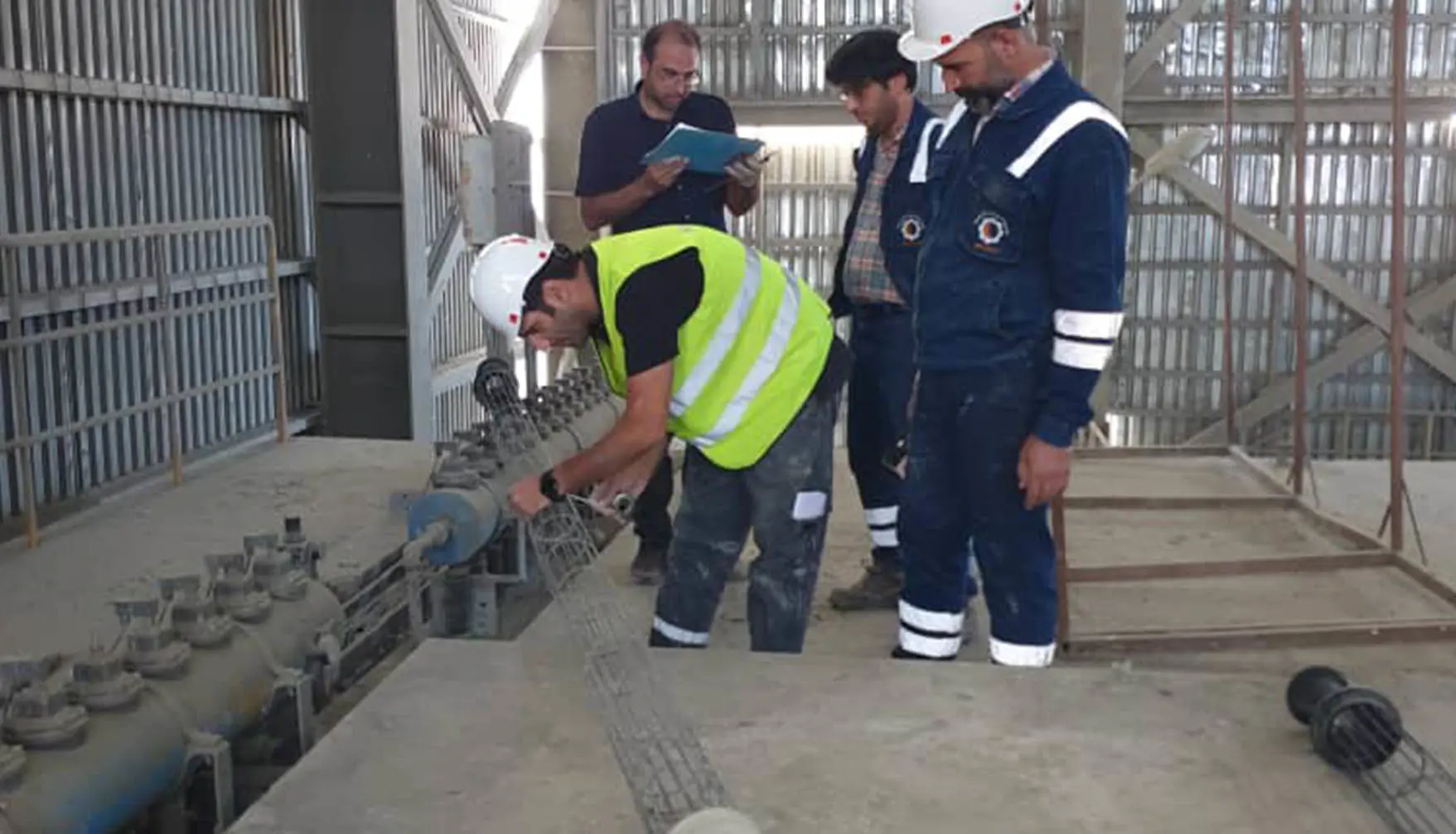
In industrial dust collection and filtration systems, true performance is determined not only by the filter bags, but also by many operating parameters such as temperature, humidity, chemical environment, dust load, and operating cycles. As Xiwang Filter, we measure, record, and analyze all these process conditions on-site with an engineering-driven approach.
By consolidating critical data such as temperature fluctuations, peak dust loads, gas composition, differential pressure, and fan operating characteristics, we establish the actual operating profile of your filtration system. This allows us to provide practical, data-driven, and sustainable improvement recommendations based on real field conditions rather than theoretical assumptions.
As a result of these analyses, we help you achieve long-lasting, high-efficiency, and low-maintenance systems by optimizing key factors such as filter media selection, cleaning frequency, compartment (section) utilization, fan settings, and maintenance intervals.

We record temperature and humidity fluctuations in kilns, boilers, or process lines to analyze the durability limits of filter materials and the risks of condensation.
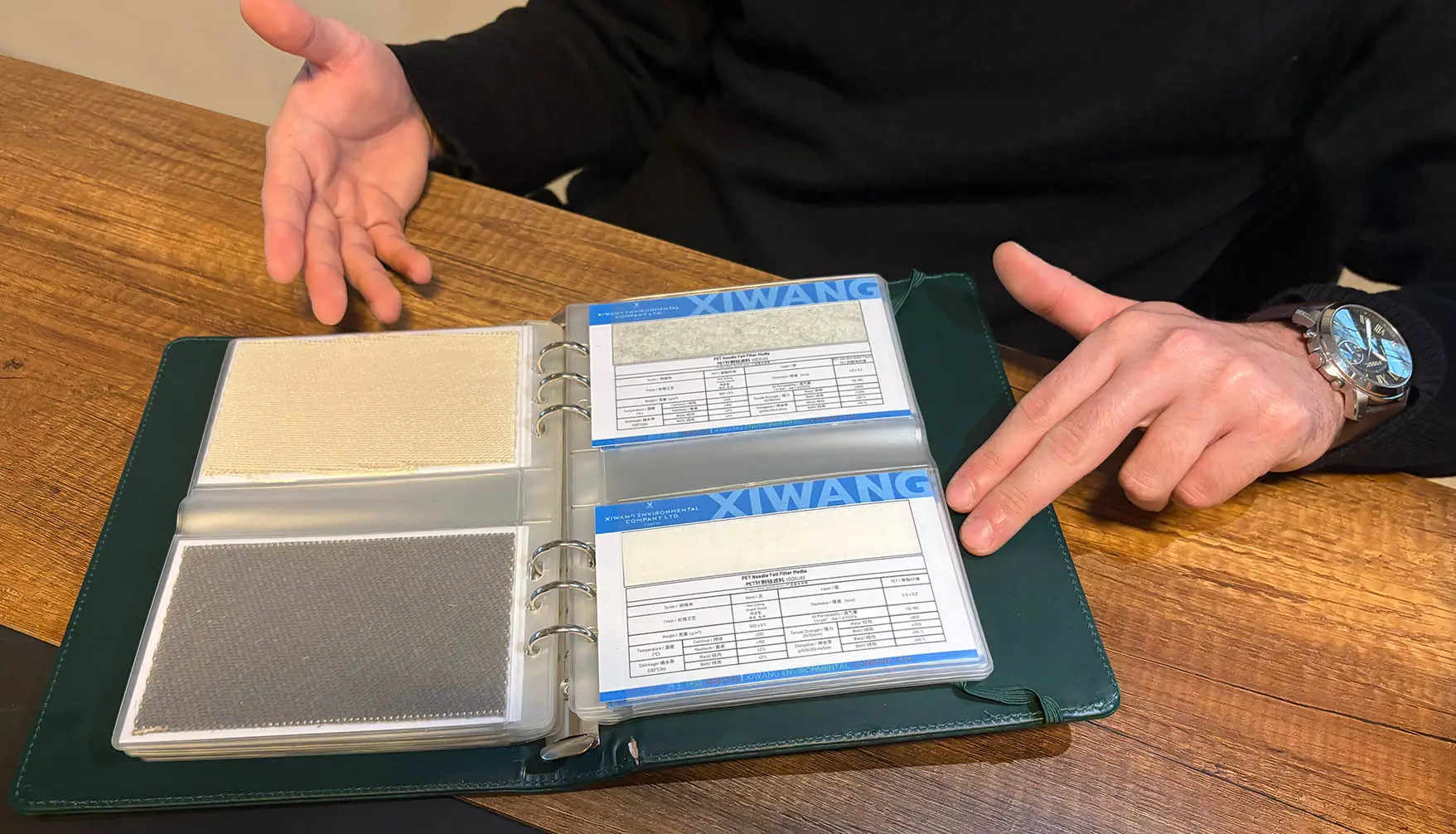
By evaluating parameters such as dust load, particle size distribution, and particle shape, we determine the most suitable media combinations for filter pore structure and surface finishing.
Considering acidic, alkaline, or corrosive components in the gas stream, we recommend chemically resistant filter materials and protective surface treatments.
By analyzing start–stop operations, partial loads, and peak production periods, we optimize pulse-jet cleaning, fan speed, and compartment utilization in line with the process rhythm.
We examine differential pressure trends and fan operating points to plan improvements that reduce both energy consumption and the risk of filter clogging.
By correlating measured dust emission values with process conditions, we develop recommendations that ensure safe operation well within legal limits.
All measurement and analysis results are presented in detailed reports supported by graphical data, ensuring transparency in your decision-making processes.
By creating a clear roadmap that prioritizes short-, mid-, and long-term actions, we help you use your investment and maintenance budgets in the most efficient way possible.