Choosing the right filter bag in dust collection systems plays a direct and decisive role in emission levels, energy consumption, and maintenance costs. As BWF Distic, we analyze your process conditions in detail and recommend the most suitable filter bag and material combination based on your temperature, humidity, chemical content, particle structure, and operating cycles. In this way, we both enhance filtration performance and maximize filter service life.

Based on process temperature and gas composition, we select the appropriate fiber types (PPS, P84, PTFE, aramid, etc.) and minimize the risks of high-temperature deformation and chemical attack.
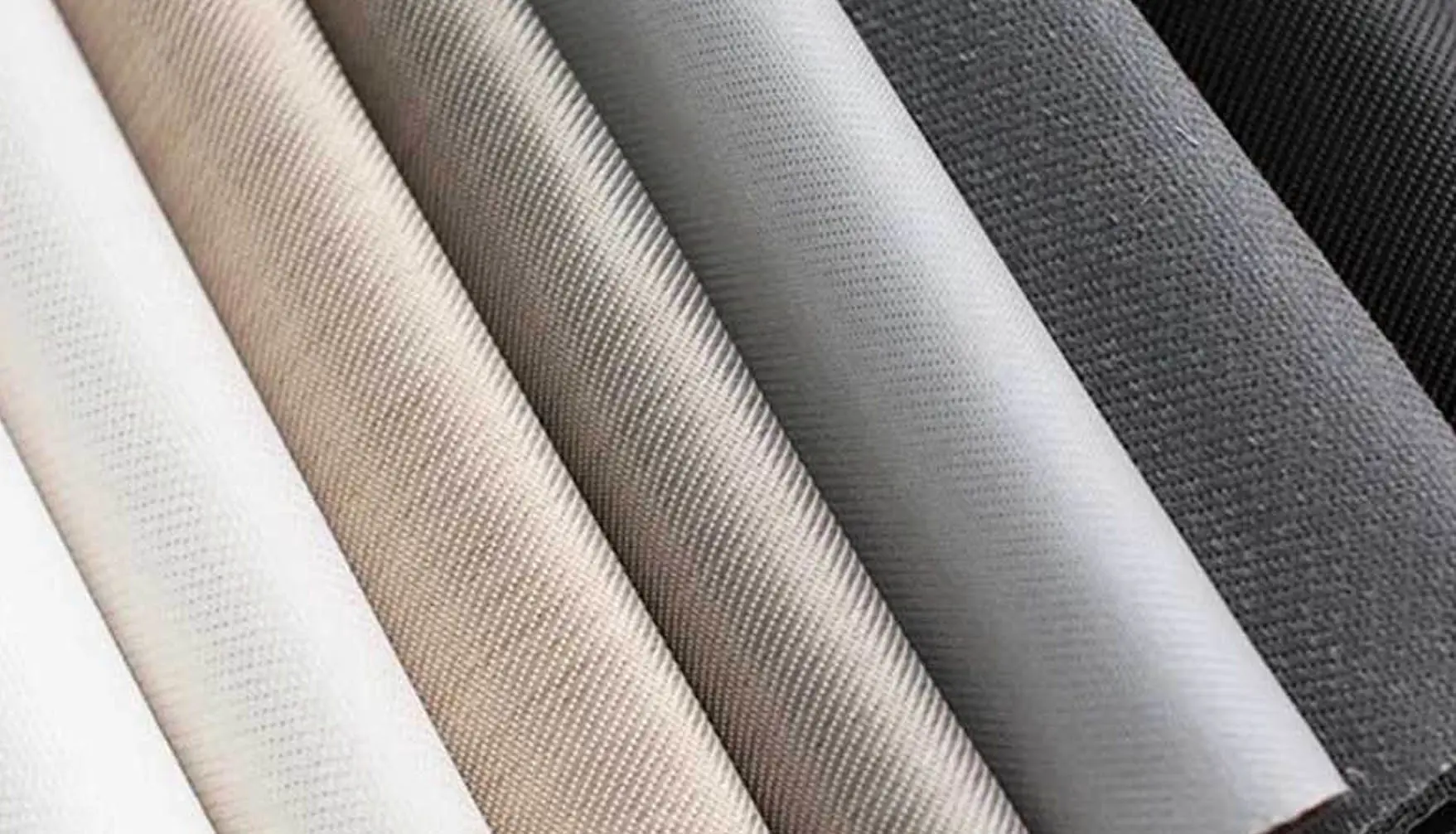
According to dust particle size, adhesiveness, and loading behavior, we optimize dust capture performance using plain, calendered, singed, or specially treated surfaces.
To achieve low emissions and stable pressure drop, we evaluate ePTFE membranes, oil- and water-repellent, and antistatic coatings, offering the most cost-effective combination based on process requirements.
By jointly evaluating filter porosity, air-to-cloth ratio, and pressure drop, we recommend filter bag designs that reduce fan and compressor energy consumption.
Through proper fiber selection, stitching details, and designs compatible with the cleaning method, we extend the service life of your filter bags and reduce replacement frequency.
We examine filter bags currently in operation on-site and analyze root causes of clogging, wear, or thermal damage to provide improved filter bag recommendations.
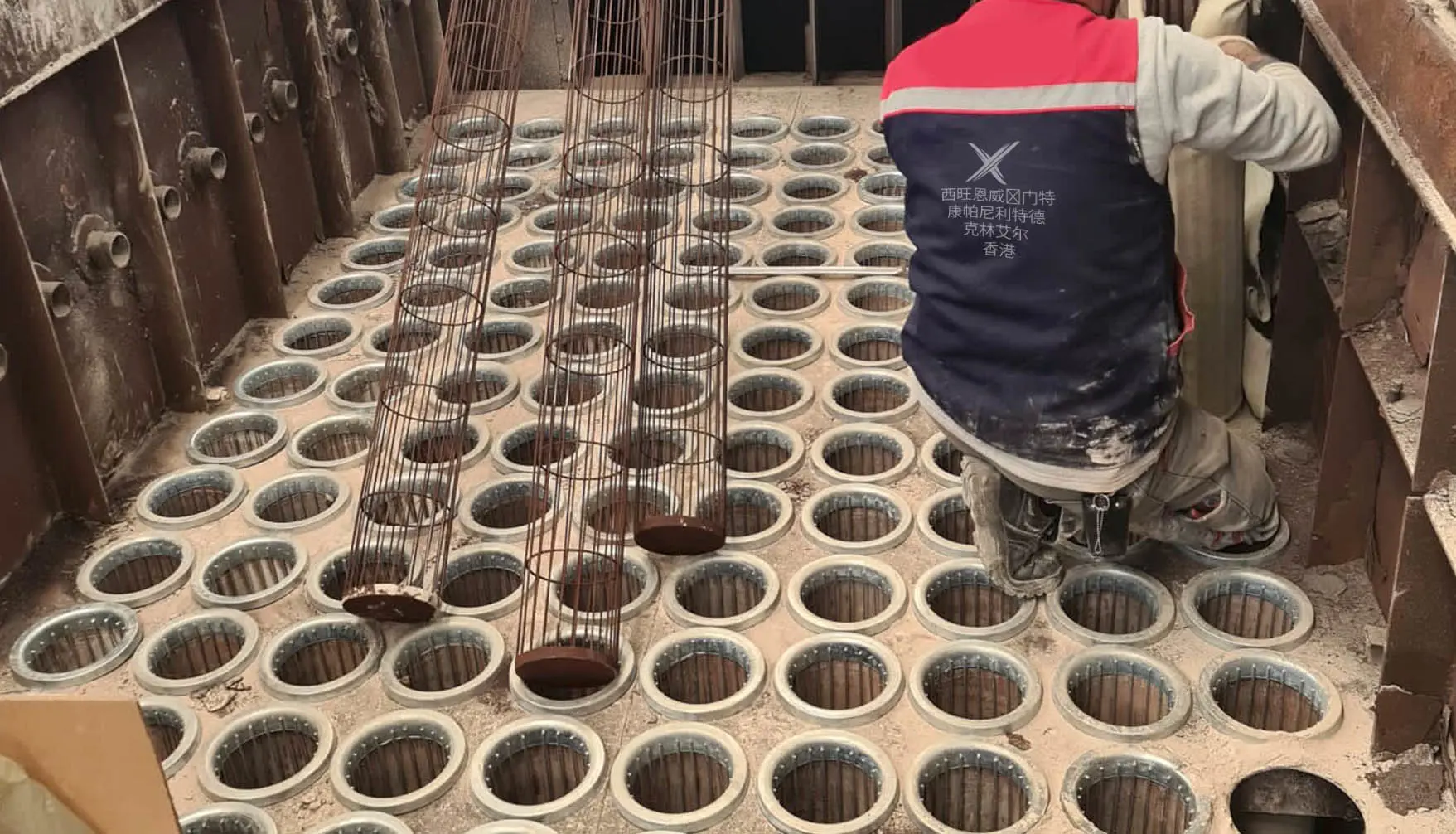
We define dimensions and details that are fully compatible with your cage design, cleaning system (jet pulse, shaker, reverse air), and filter housing, ensuring ease of installation and maintenance.
We provide commissioning support for new filter bag sets and offer on-site consultancy on differential pressure, pulse frequency, and air-to-cloth ratio settings.